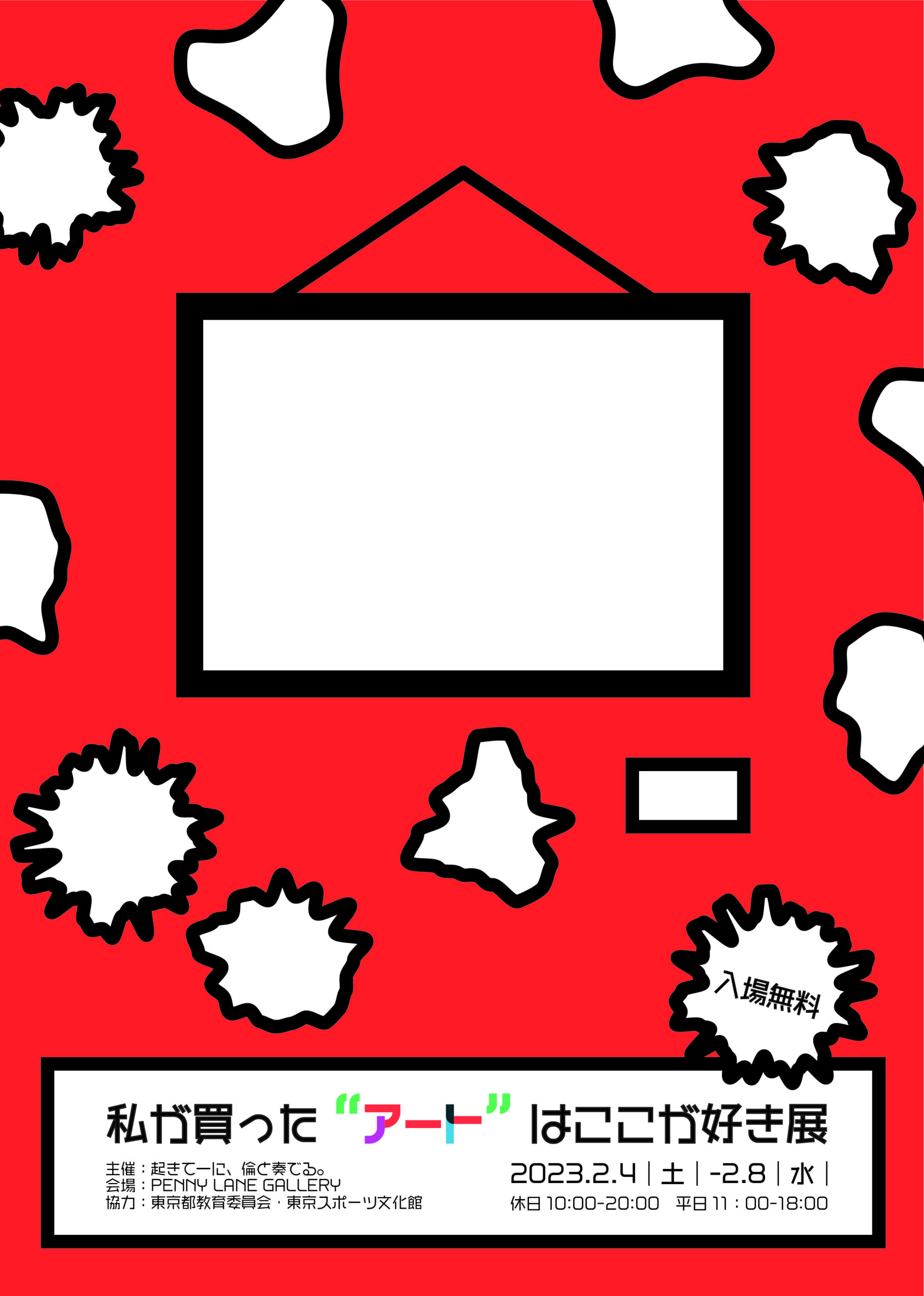
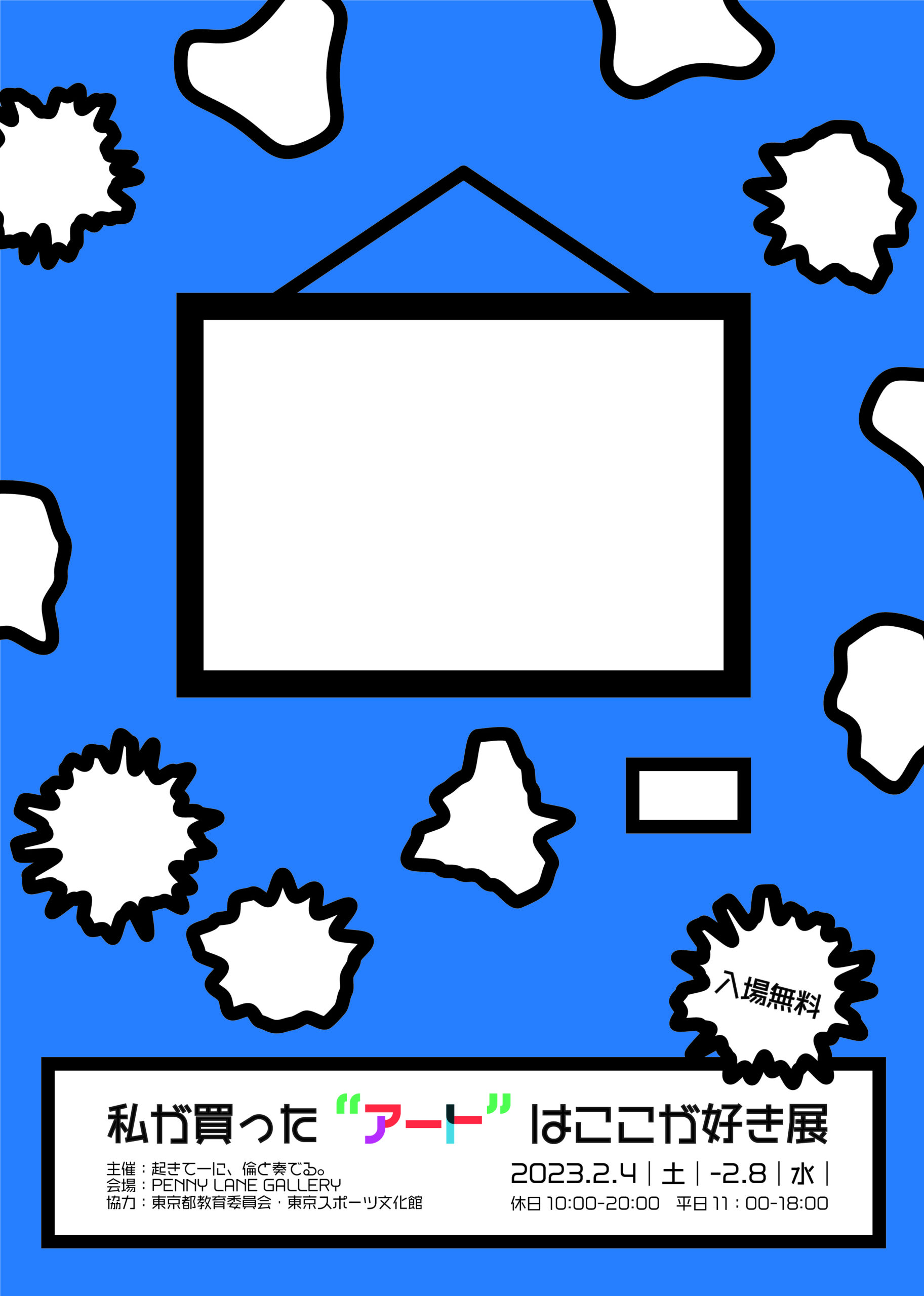
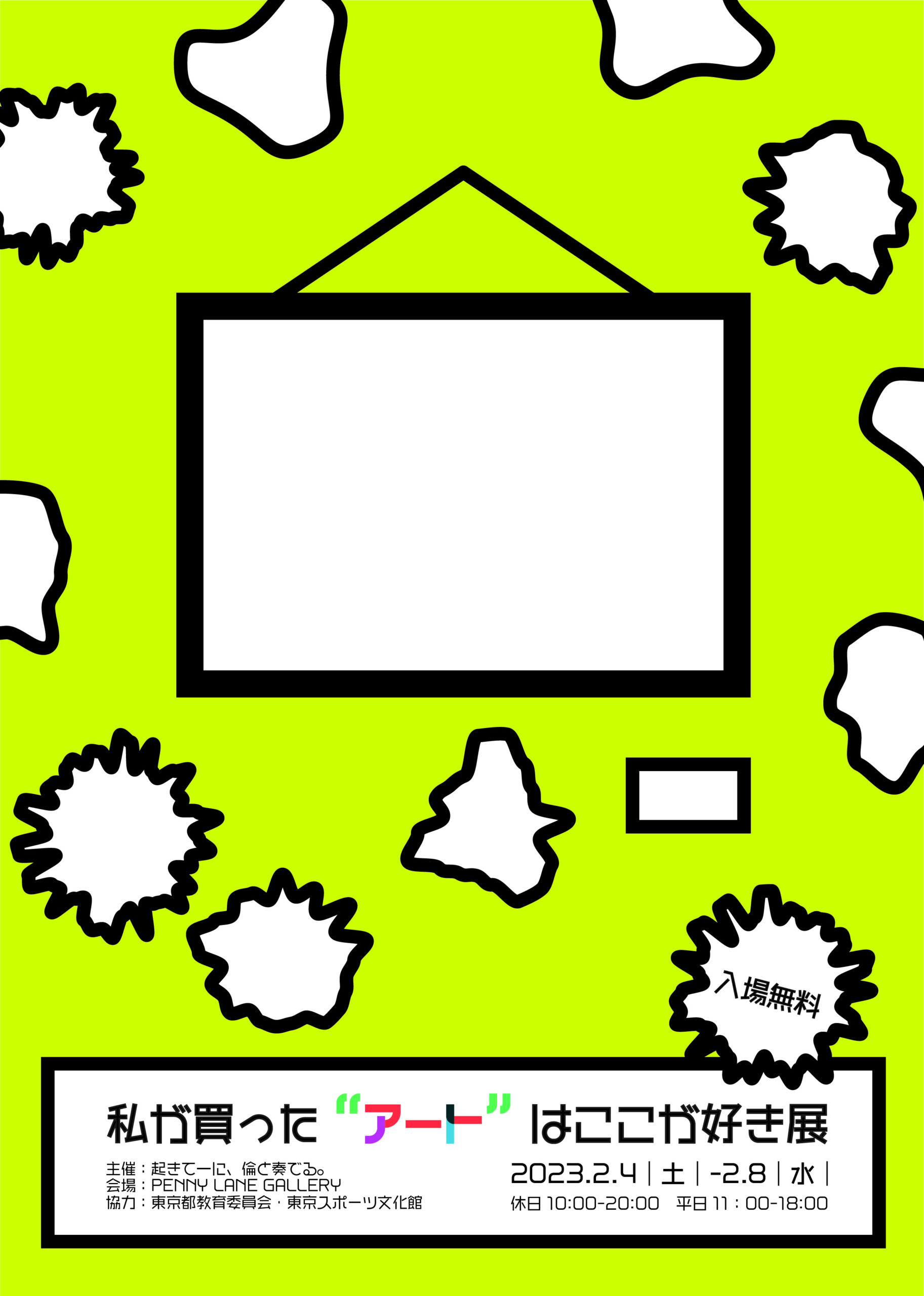
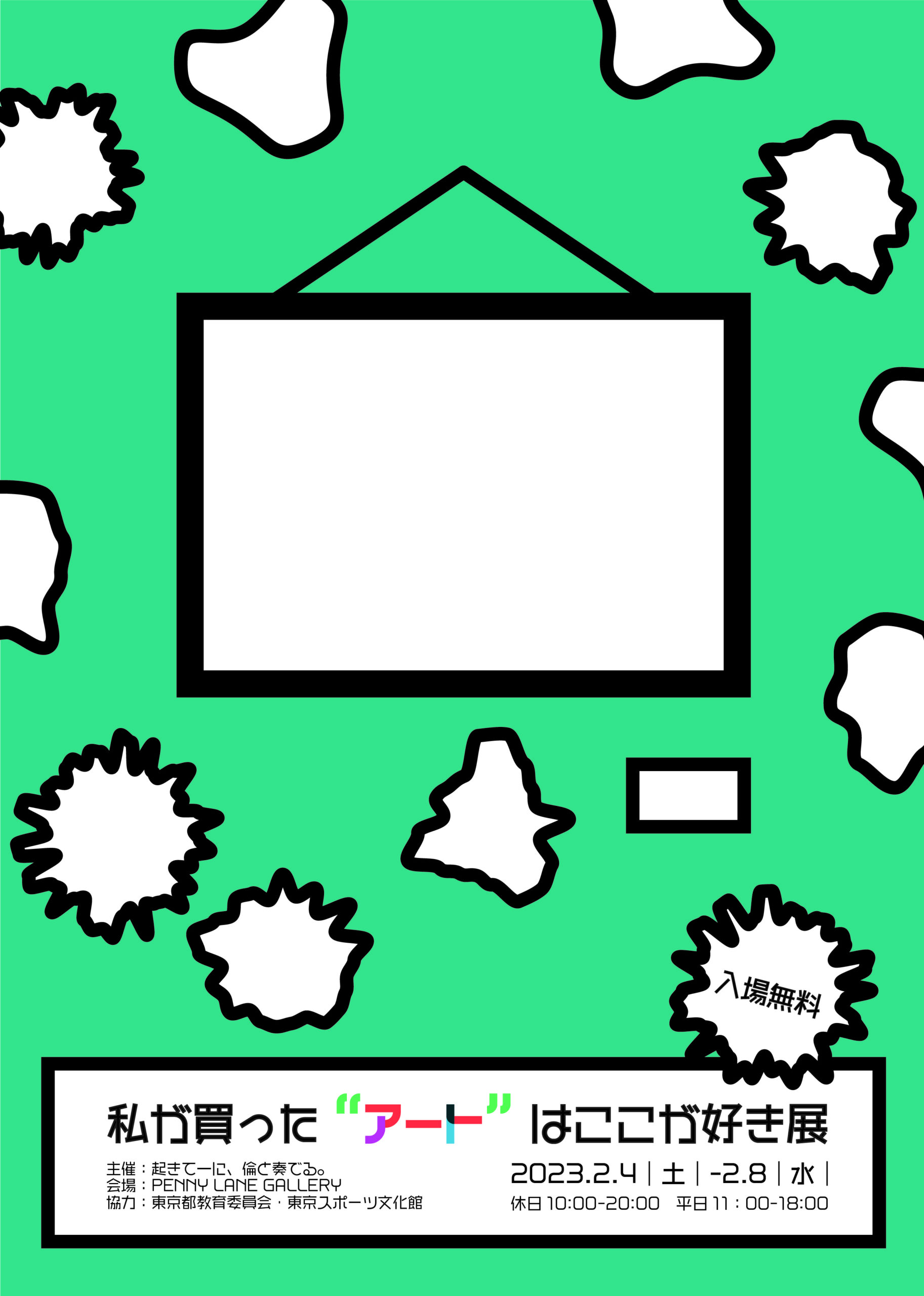
「私が買った“アート”はここが好き展」
The Art Exhibition “I love this part of…”
2023
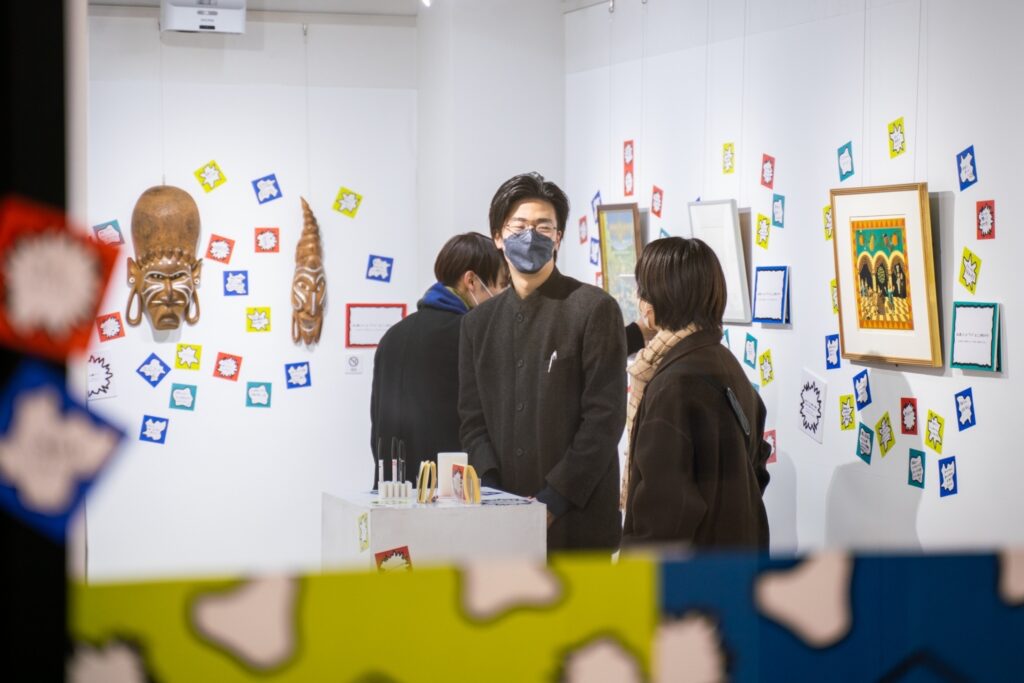
東京都教育委員会・東京スポーツ文化館 協力
令和4年度チャレンジ・アシスト・プログラム採択事業
既にカテゴライズされた領域や「定義された価値」に息苦しさを感じていた。ときに聞く「多様性だから」という言葉も、理解したつもりの線引きを生み、無責任な分断につながっているのではないか——そう思ったのだ。理解することが正しいのではなく、相手の輪郭に触れてみることが、多様性の実感に近いはず。だからこそ、アートを媒介に人と人がコミュニケーションできる場をつくりたいと考えた。アートは、「他者を知りながら、自分を知り直す」ための“対話性を含んでいる。そうして立ち上げたのが「私が買った“アート”はここが好き展」である。
しかし現状、美術館やギャラリーには敷居の高さがあり、「見方がわからない」「正解が怖い」と感じる人も少なくない。展示は作品とキャプションを中心に進むことが多く、鑑賞が“専門性”や“正解”に回収されやすい構造もある。その結果、鑑賞者自身の感覚と言葉が立ち上がりにくく、作品との対話が始まる前に距離が生まれてしまう。
本展は、この構造を捉え直し、鑑賞者の「ここが好き」という個人の言葉を入口に、対話が生まれる条件を展示として設計する試み。語り手を学芸員や作家だけに固定せず、作品を購入した人の視点を入口に据えることで、生活と作品が接続する地点から価値が立ち上がるプロセスを可視化した。作品の意味を一つに定義するのではなく、受け取り方が複数のまま並び、他者の視点を介して自分の鑑賞が更新されていく場を目指している。
「私が買った“アート”はここが好き展」は、新しい美術鑑賞の仕組みを通じた、コミュニケーションの場のデザインである。
I had long felt a sense of suffocation within already categorized fields and so-called “defined values.” Even the phrase “because it’s diversity,” which we hear from time to time, can create boundaries under the pretense of understanding, and may lead to careless forms of division—this is what I began to question. Rather than believing that understanding itself is what matters, I feel that actually touching the contours of another person brings us closer to a genuine experience of diversity. That is why I wanted to create a space where people can communicate with one another through art.For us, art is a form of dialogue—a way of re-encountering ourselves while getting to know others. It was from this idea that I launched the exhibition “What I Like About the Art I Bought.”
Yet today, many people still feel a distinct barrier when it comes to museums and galleries: “I don’t know how to look,” “I’m afraid of being wrong.” Exhibitions often revolve around works and captions, and the act of viewing is easily pulled toward “expertise” and “correct answers.” As a result, it becomes difficult for viewers’ own sensations and words to emerge, and a distance forms before any real dialogue with the work can begin.
This exhibition is an attempt to reconsider that structure and to design, as an exhibition, the conditions under which dialogue can arise—starting from each viewer’s personal words of “what I love about it.” By not fixing the narrator solely as the curator or the artist, and by placing the perspective of those who purchased the works at the entry point, the exhibition makes visible the process by which value emerges at the connection between everyday life and the artwork. Rather than defining a single meaning, it aims to create a space where multiple interpretations can sit side by side, and where one’s own way of seeing can be updated through others’ perspectives.
What I Love About the “Art” I Bought is a design of a communicative space—through a new framework for art appreciation.
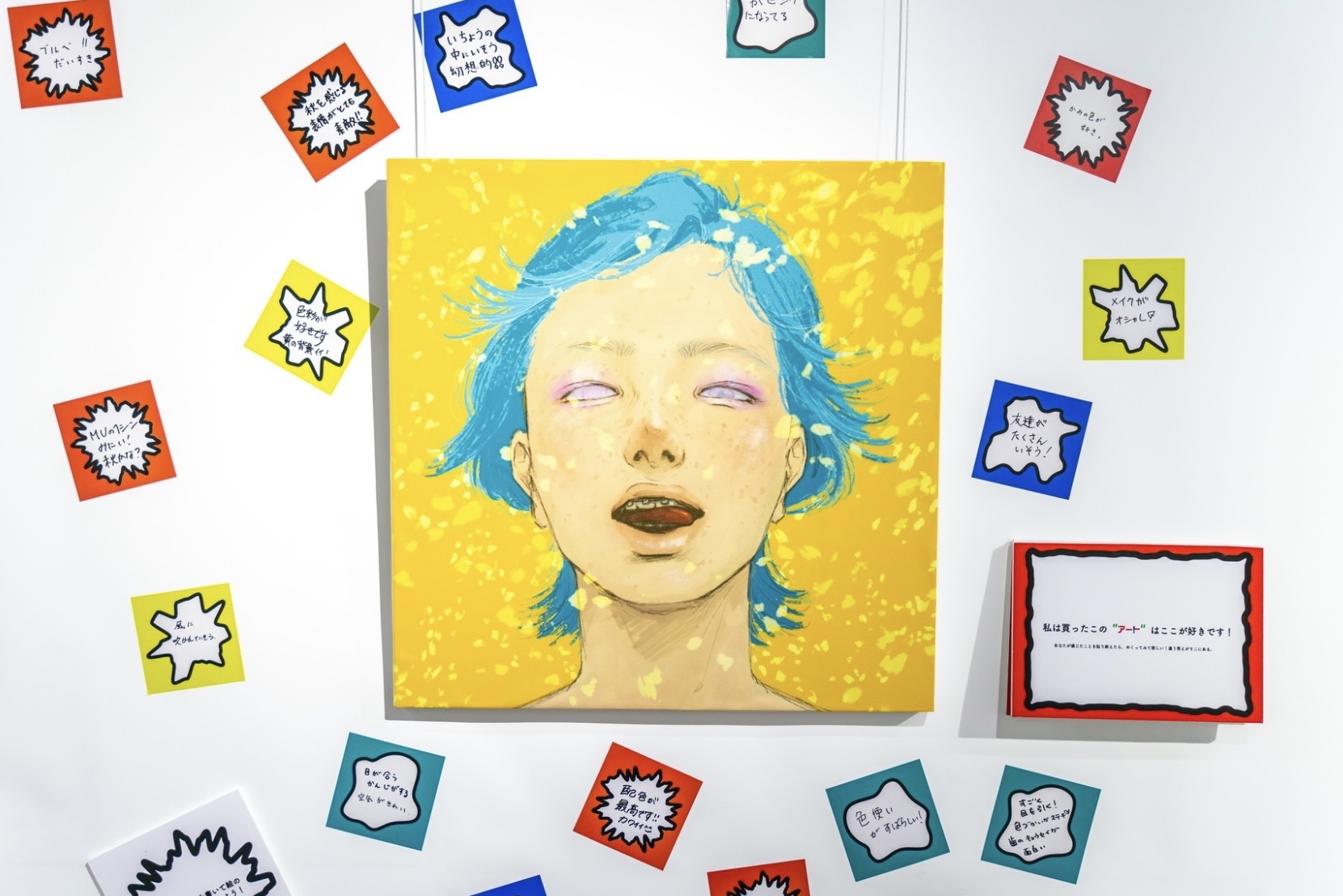
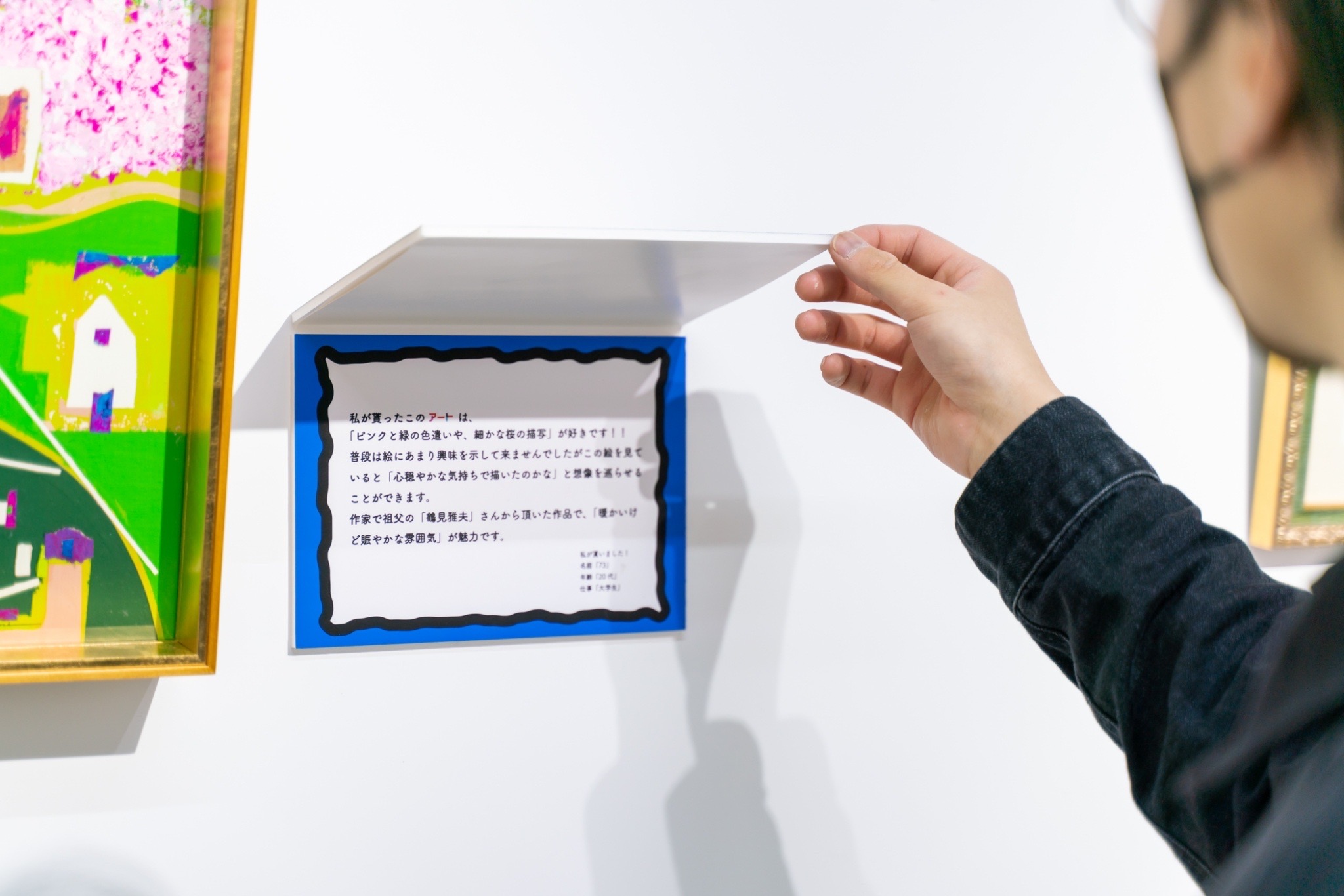
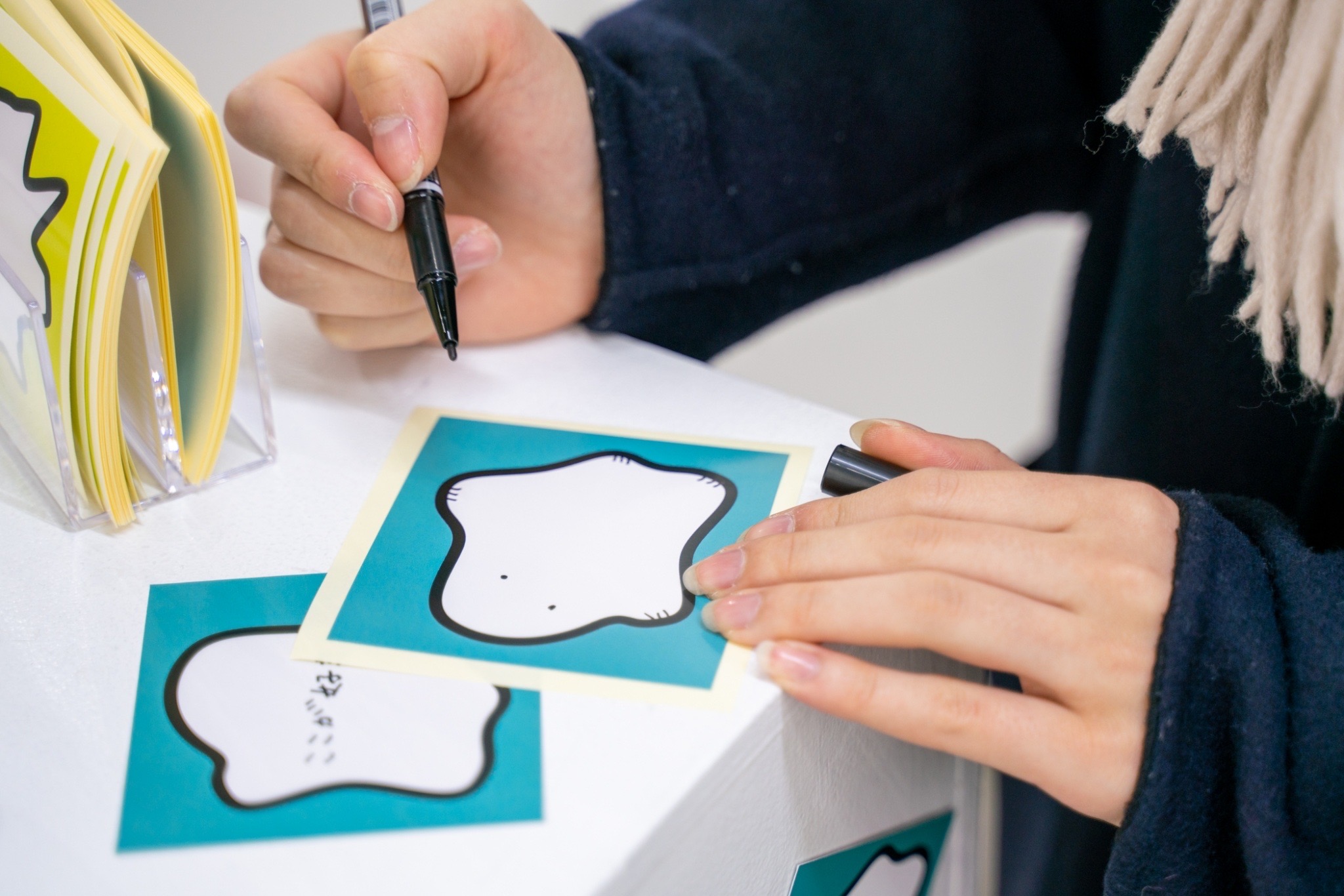
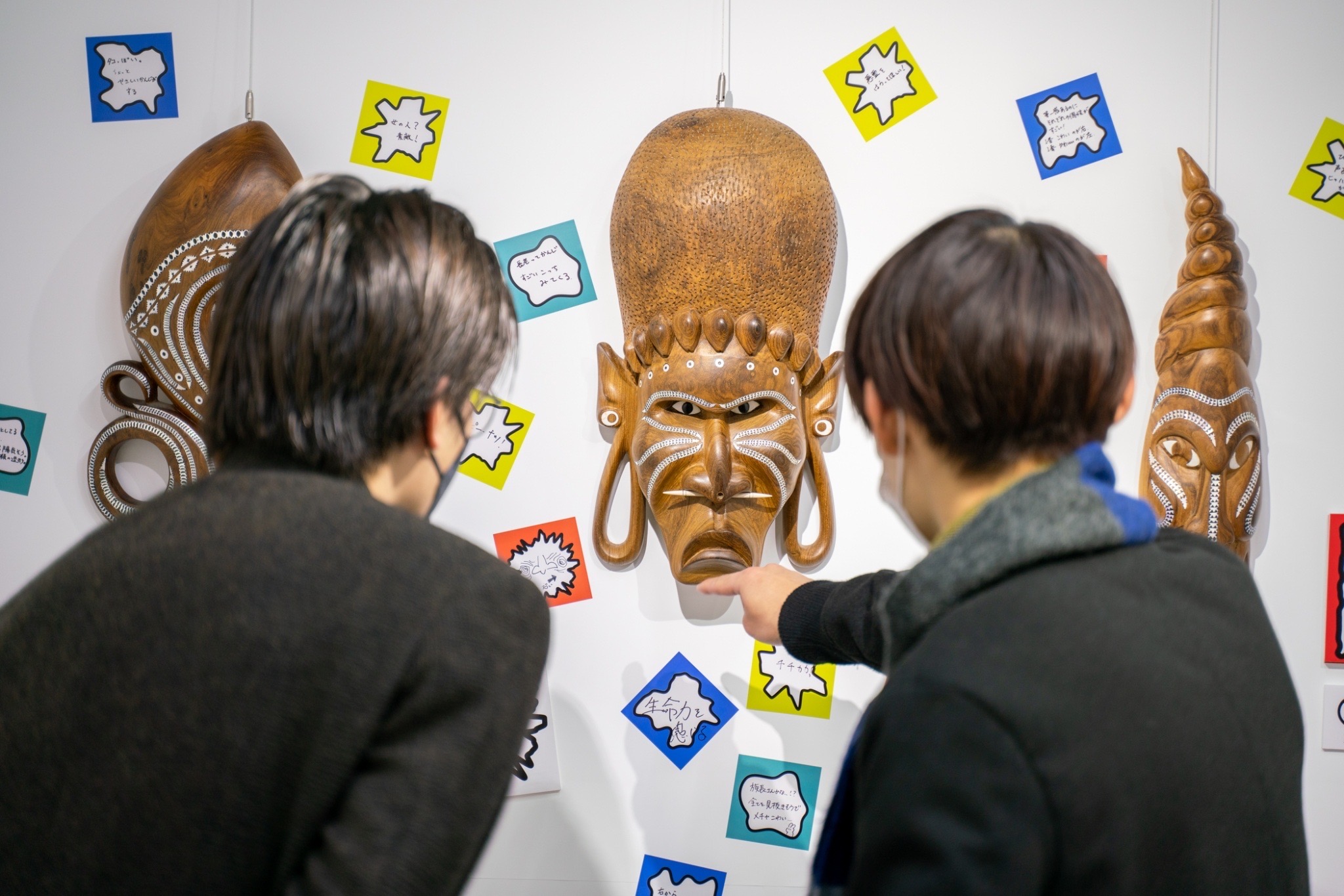
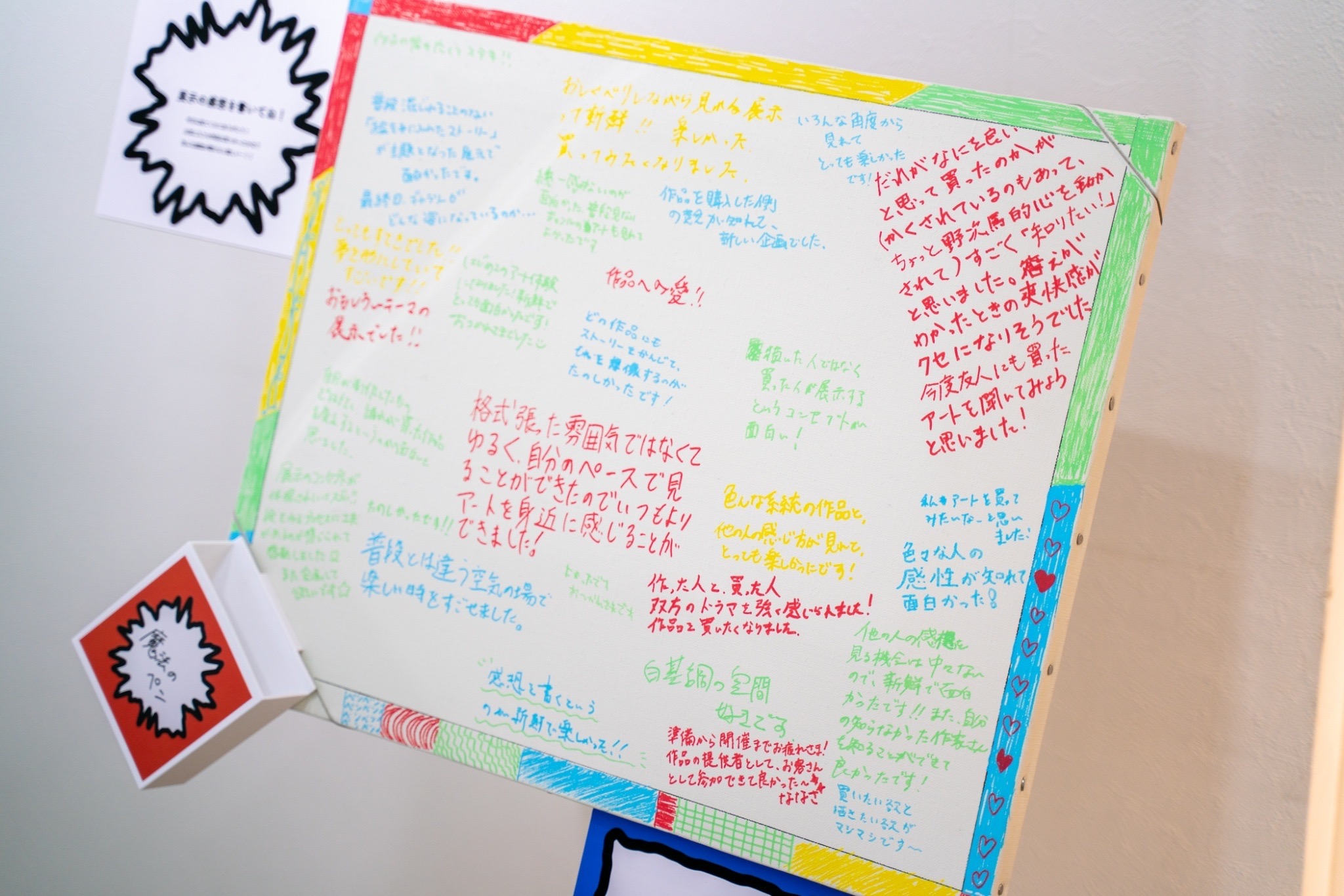
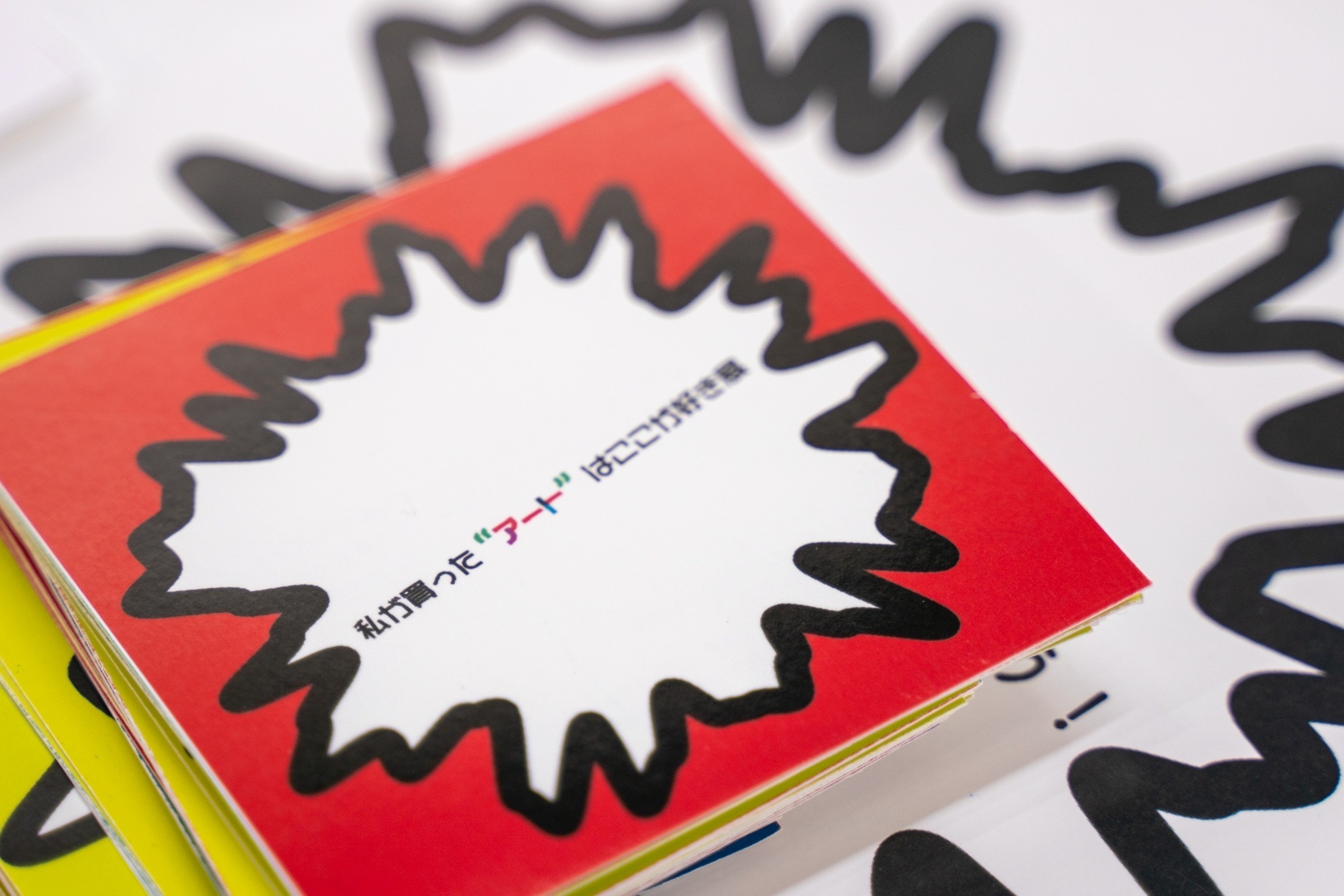
「私が買った“アート”はここが好き展」では、会場での体験においても豊かな体験を提供するための工夫を施している。
①「感じたことをシールに書いて作品の周りに貼る」自分と他人がどう感じたのかを可視化し、書く・貼るという行為により、より真剣に絵と向き合う時間を生むことを意図した。
②「購入者が解説するキャプション」購入者からの解説調で作品とのエピソードや解釈を共有することで、鑑賞者が理解しやすく、より豊かな体験を得られることを意図した。
③「めくるキャプション」鑑賞者の解釈をできるだけ妨げないように、キャプション自体はめくることで初めて読むことが出来る設計。
④「ポップな空間設計」シールが会場に貼られていくと、鮮やかな色彩が点在する空間になることで、厳粛なギャラリーイメージからの脱却を図っている。
The Art Exhibition “I love this part of…” also offers a rich experience for the unspecified number of people who visit the exhibition.
1) The purpose of this was to visualize how the viewer and others felt about the artworks, and to create a more serious time for viewing the paintings through the act of writing and pasting.
2) “Caption with commentary by the purchaser” The intent was to share episodes and interpretations of the work in the form of commentary from the purchaser, making it easier for the viewer to understand and enrich the experience.
3) The caption itself is designed to be read only by turning it over so as not to hinder the viewer’s interpretation as much as possible.
4) “Pop space design” The stickers are placed in a space dotted with bright colors as they are affixed to the venue, in an attempt to break away from the solemn image of the gallery.